
Iran Tomato Paste Export to Iraq: Strategic Analysis and Market Outlook for 2026
Introduction
The Iran Tomato Paste Export to Iraq continues to play a crucial role in the Middle East’s food trade landscape. As Iraq remains one of Iran’s largest trading partners in the agricultural and processed food sectors, tomato paste has become one of the most demanded Iranian food products among Iraqi wholesalers, retailers, restaurants, and food processing companies.
Iran Tomato Paste Export to Iraq continues to grow as demand for high-quality tomato paste increases across the Iraqi market.
In 2026, changing consumer behavior, population growth, reconstruction projects, and expanding retail networks are expected to create new opportunities for Iranian manufacturers. At the same time, increasing competition from Turkey, China, and regional suppliers requires Iranian exporters to adopt more strategic approaches focused on quality, branding, pricing, logistics, and regulatory compliance.
This article provides a comprehensive strategic analysis of the Iran Tomato Paste Export to Iraq, examining market dynamics, competitive advantages, emerging opportunities, potential risks, and future prospects for exporters aiming to strengthen their position in the Iraqi market.

Overview of Iraq’s Tomato Paste Market in 2026
Iraq remains one of the fastest-growing food import markets in the Middle East. Despite ongoing investments in domestic agriculture, local tomato production still faces significant challenges due to climate conditions, water shortages, infrastructure limitations, and seasonal fluctuations.
Consequently, imported tomato paste continues to fill the supply gap throughout the year.
Several factors are expected to support strong demand in 2026:
- Population exceeding 46 million people
- Increasing urbanization
- Expansion of supermarkets and retail chains
- Growing food service industry
- Rising demand for ready-to-cook ingredients
- Recovery of tourism and hospitality sectors
Tomato paste is considered an essential ingredient in Iraqi cuisine, making demand relatively stable regardless of seasonal changes.
Why Iraq Remains Iran’s Most Important Export Destination
The Iran Tomato Paste Export to Iraq enjoys several structural advantages compared to competing exporters.
- Geographic Proximity
Iran shares a long land border with Iraq, allowing exporters to transport goods quickly and at lower logistics costs than competitors from Europe or East Asia.
Short delivery times reduce inventory costs while ensuring fresher products reach distributors.
- Competitive Pricing
Iranian manufacturers benefit from:
- Lower transportation expenses
- Competitive labor costs
- Large-scale tomato cultivation
- High processing capacity
These factors allow Iranian exporters to offer attractive prices without significantly compromising quality.
- Consumer Familiarity
Iraqi consumers have been purchasing Iranian tomato paste for many years.
Many retailers recognize Iranian brands for:
- Rich tomato flavor
- Natural color
- High consistency
- Reliable availability
Brand familiarity significantly reduces market entry barriers for established Iranian suppliers.
Market Drivers Supporting Growth in 2026
Several macroeconomic and demographic trends are expected to stimulate continued growth.
Population Growth
The Iraqi population continues to expand steadily, increasing demand for packaged food products.
More households translate directly into higher consumption of tomato paste.
Urban Lifestyle
Busy urban consumers increasingly prefer packaged food ingredients that save preparation time.
Tomato paste remains a kitchen staple in almost every Iraqi household.
Expansion of Food Manufacturing
Iraq’s growing food processing industry also requires industrial tomato paste for products such as:
- Ready meals
- Sauces
- Ketchup
- Pizza sauces
- Canned foods
- Frozen foods
Industrial demand is expected to increase alongside consumer demand.
Restaurant Industry Growth
Restaurants, hotels, catering companies, and fast-food chains consume tomato paste in large quantities.
As tourism and hospitality recover, institutional demand is projected to rise.
Competitive Landscape
Although Iran remains one of Iraq’s leading tomato paste suppliers, competition continues to intensify.
Major competitors include:
Turkey
Turkish exporters compete through:
- Strong branding
- Premium packaging
- Consistent product quality
- Modern marketing
China
Chinese suppliers generally compete on price, particularly in bulk and industrial markets.
However, longer transportation times may reduce their competitiveness in certain market segments.
Saudi Arabia
Saudi food manufacturers continue expanding regional exports, particularly within Gulf markets.
Although their presence in Iraq remains smaller than Iran’s, investment in branding is increasing.
Local Iraqi Producers
Domestic manufacturers continue improving production capacity but still face challenges related to:
- Raw material supply
- Technology
- Production efficiency
- Seasonal availability
Therefore, imported tomato paste remains essential for satisfying market demand.
Iran’s Competitive Advantages
The Iran Tomato Paste Export to Iraq benefits from several strategic strengths.
High-Quality Tomatoes
Iran is among the world’s major tomato-producing countries.
Its favorable agricultural regions produce tomatoes with:
- High Brix levels
- Rich color
- Strong flavor
- Excellent processing characteristics
These qualities contribute to premium tomato paste production.
Modern Manufacturing Facilities
Many Iranian factories utilize:
- Automated production lines
- International food safety systems
- Quality control laboratories
- Modern sterilization technologies
These capabilities improve product consistency and export reliability.
Diverse Packaging Options
Iranian exporters offer various packaging formats, including:
- Easy-open cans
- Standard cans
- Glass jars
- Sachets
- Flexible pouches
- Aseptic drums
- Bulk packaging for industrial buyers
This flexibility allows exporters to serve wholesalers, retailers, restaurants, and food manufacturers alike.
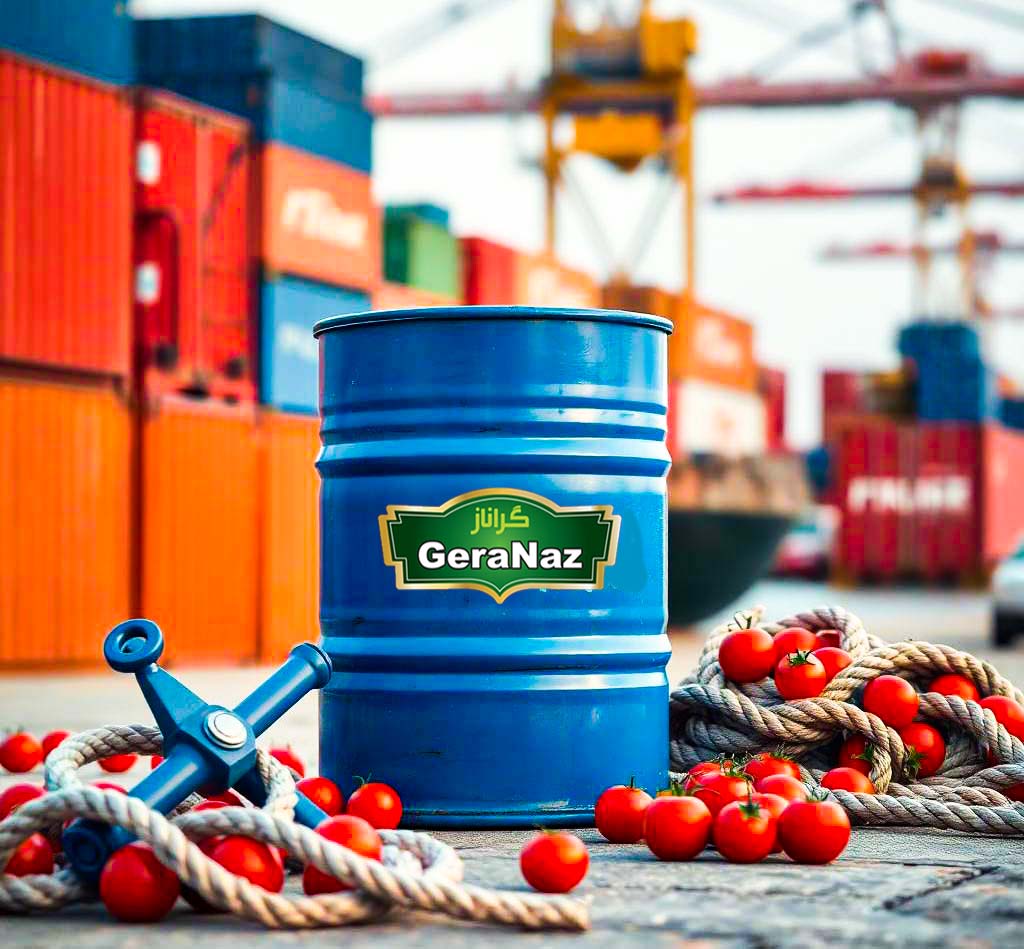
Packaging quality, competitive pricing, and reliable logistics are the main drivers of Iran Tomato Paste Export to Iraq.
SWOT Analysis of Iran Tomato Paste Export to Iraq
A strategic SWOT analysis provides valuable insights into the current position of Iran Tomato Paste Export to Iraq and helps exporters identify the best strategies for sustainable growth.
Strengths
Iran possesses several competitive advantages that reinforce its position in the Iraqi market.
- Strategic Geographic Location
The shared border between Iran and Iraq significantly reduces transportation costs and delivery times, enabling exporters to respond quickly to market demand.
- High Production Capacity
Iran has one of the largest tomato processing industries in the Middle East. Modern factories produce tomato paste in a wide range of packaging formats suitable for retail and industrial buyers.
- Competitive Pricing
Affordable labor, abundant agricultural resources, and lower logistics expenses allow Iranian manufacturers to offer highly competitive prices.
- Product Quality
Many Iranian exporters comply with international food safety standards such as:
- ISO 22000
- HACCP
- GMP
- Halal Certification
These certifications increase buyer confidence and improve export opportunities.
Weaknesses
Despite its strengths, the Iran Tomato Paste Export to Iraq still faces several internal challenges.
Limited Global Brand Recognition
While Iranian products are well known in Iraq, many brands lack strong international branding compared to Turkish and European competitors.
Packaging Innovation
Some exporters continue using traditional packaging designs that may not appeal to younger consumers or premium retail markets.
Marketing Limitations
Many manufacturers rely heavily on distributors instead of investing in digital marketing, international exhibitions, and direct customer engagement.
Currency Fluctuations
Exchange rate volatility can affect production planning, export pricing, and long-term contracts.
Opportunities
The Iraqi market continues to present promising opportunities for Iranian exporters.
Rising Population
Population growth directly increases food consumption and demand for staple ingredients such as tomato paste.
Expansion of Modern Retail
Supermarkets, hypermarkets, and organized retail chains are expanding across Iraq, creating additional shelf space for imported food products.
Food Processing Industry Growth
Local Iraqi food manufacturers require industrial tomato paste for sauces, canned foods, frozen meals, and ready-to-eat products.
Premium Product Demand
Middle-income consumers are increasingly willing to pay for products offering:
- Better quality
- Attractive packaging
- Consistent taste
- International certifications
Threats
Increasing Competition
Turkey continues investing heavily in branding, while China remains highly competitive in bulk exports.
Political Uncertainty
Regional instability or border disruptions could temporarily affect transportation and customs operations.
Regulatory Changes
Import regulations, labeling requirements, and food safety standards may evolve, requiring exporters to remain compliant.
Climate Risks
Water shortages and changing weather conditions could impact tomato production and raw material availability.
Consumer Preferences in the Iraqi Market
Understanding Iraqi consumer behavior is essential for long-term success.
Research indicates that Iraqi buyers generally prioritize:
Rich Natural Color
Consumers associate deep red tomato paste with freshness and higher quality.
High Brix Level
A thicker consistency is preferred because it delivers better flavor and higher cooking efficiency.
Natural Ingredients
Products without artificial colors or preservatives are becoming increasingly popular.
Affordable Pricing
Although premium products are gaining attention, price remains one of the most influential purchasing factors.
Attractive Packaging
Eye-catching labels and modern packaging significantly influence buying decisions, particularly in supermarkets.
Export Logistics and Supply Chain Advantages
Efficient logistics remain one of Iran’s strongest competitive advantages.
Major Border Crossings
Several land border crossings facilitate trade between Iran and Iraq, enabling frequent shipments and shorter delivery times compared to overseas suppliers.
Lower Transportation Costs
Land transportation minimizes freight expenses and reduces lead times.
Faster Market Response
Short delivery cycles allow distributors to maintain lower inventory while ensuring continuous product availability.
Flexible Shipment Sizes
Iranian exporters can supply:
- Full container loads (FCL)
- Less-than-container loads (LCL)
- Bulk industrial shipments
- Customized retail orders
This flexibility meets the needs of businesses of all sizes.
Pricing Strategy for Success in Iraq
Competitive pricing remains crucial, but long-term success requires a value-based approach.
Successful exporters should focus on:
- Consistent product quality
- Stable pricing policies
- Transparent contracts
- Flexible payment terms
- Efficient logistics
- Reliable after-sales support
Rather than competing solely on price, exporters should emphasize the overall value they provide.
Branding Strategies for Iranian Exporters
Branding is becoming increasingly important in Iraq’s food sector.
To strengthen market presence, Iranian manufacturers should invest in:
Professional Packaging Design
Modern packaging enhances shelf appeal and communicates product quality.
Arabic Labeling
Clear and accurate Arabic labeling improves consumer trust and complies with local regulations.
Digital Presence
Maintaining professional websites and active social media profiles helps build credibility with distributors and consumers.
Participation in Trade Exhibitions
International food exhibitions provide valuable opportunities to meet buyers, distributors, and retail chains.
Long-Term Partnerships
Building strong relationships with Iraqi importers ensures repeat business and sustainable market growth.
Digital Marketing Opportunities
Digital marketing is no longer optional for food exporters.
Effective strategies include:
- SEO-optimized websites
- Content marketing
- LinkedIn networking
- Email marketing
- Google Business Profile
- YouTube product videos
- Online B2B marketplaces
These channels enhance brand visibility and generate qualified export leads.

Future Market Outlook Through 2030
Market analysts anticipate steady growth in Iraq’s demand for imported tomato paste over the coming years.
Key growth drivers include:
- Continued population expansion
- Urbanization
- Rising disposable incomes
- Growth of the foodservice industry
- Expansion of retail infrastructure
- Increased investment in food manufacturing
Provided that exporters maintain high quality, competitive pricing, and effective branding, the Iran Tomato Paste Export to Iraq is expected to remain one of the most promising trade opportunities in the Middle East through 2030.
Strategic Recommendations for Iranian Exporters
To maximize the opportunities in the Iraqi market, Iranian tomato paste manufacturers and exporters should adopt a long-term, value-driven strategy rather than relying solely on price competition.
- Strengthen Brand Identity
A recognizable and trustworthy brand helps build customer loyalty. Companies should invest in professional packaging, consistent visual identity, and strong brand messaging across all marketing channels.
- Prioritize International Quality Standards
Maintaining certifications such as ISO 22000, HACCP, GMP, and Halal not only improves buyer confidence but also facilitates entry into larger retail chains and institutional markets.
- Develop Customized Packaging Solutions
Different customer segments require different packaging formats. Offering easy-open cans, glass jars, sachets, pouches, and aseptic packaging enables exporters to serve wholesalers, retailers, restaurants, and food manufacturers more effectively.
- Expand Digital Marketing Efforts
An SEO-optimized website, active social media presence, and professional content marketing can significantly increase international visibility and generate qualified export inquiries.
- Build Long-Term Partnerships
Establishing reliable relationships with Iraqi distributors, wholesalers, supermarket chains, and food processing companies creates stable demand and reduces business uncertainty.
ConclusionIn
conclusion, Iran Tomato Paste Export to Iraq is expected to remain one of the strongest trade opportunities for Iranian food manufacturers.
The Iran Tomato Paste Export to Iraq is expected to remain one of the strongest trade opportunities for Iranian food manufacturers in 2026 and beyond. Iraq’s growing population, increasing urbanization, expanding foodservice industry, and continued reliance on imported processed foods create a favorable environment for sustained export growth.
Although competition from Turkey, China, and other regional suppliers continues to intensify, Iranian exporters retain significant competitive advantages, including geographic proximity, cost-efficient logistics, abundant raw materials, high production capacity, and strong product quality.
To secure long-term success, exporters should move beyond price competition and focus on branding, packaging innovation, international certifications, customer relationships, and digital marketing. Companies that consistently deliver high-quality products while adapting to changing market demands will be best positioned to strengthen their presence in Iraq and expand into neighboring Middle Eastern markets.
With strategic planning, continuous investment in quality, and customer-oriented business practices, the future of the Iran Tomato Paste Export to Iraq remains highly promising.
Frequently Asked Questions (FAQ)
- Why is Iraq one of the largest markets for Iranian tomato paste?
Iraq depends heavily on imported processed foods due to growing consumer demand, seasonal agricultural limitations, and increasing urbanization. Iran’s proximity and competitive pricing make it one of the country’s preferred suppliers.
- What are the main advantages of Iranian tomato paste in Iraq?
Iranian tomato paste is valued for its rich color, high Brix level, natural taste, competitive pricing, reliable supply, and convenient transportation routes.
- Who are Iran’s main competitors in the Iraqi tomato paste market?
Turkey, China, and a number of local Iraqi manufacturers compete with Iranian exporters through pricing, branding, and packaging innovation.
- Which packaging types are most popular in Iraq?
Easy-open cans, standard cans, glass jars, sachets, flexible pouches, and bulk aseptic packaging are widely used depending on customer needs.
- How important is branding in the Iraqi food market?
Brand recognition has become increasingly important. Attractive packaging, consistent quality, and professional marketing help build customer trust and encourage repeat purchases.
- What challenges do Iranian exporters face?
Key challenges include increasing international competition, currency fluctuations, changing import regulations, and the need for stronger global branding.
- How can exporters increase their market share in Iraq?
By investing in quality improvement, modern packaging, digital marketing, Arabic-language labeling, strategic partnerships, and excellent customer service.
- Is demand for tomato paste expected to grow after 2026?
Yes. Population growth, urban expansion, rising food consumption, and the development of Iraq’s retail and foodservice sectors are expected to support long-term demand.
- Why is SEO important for tomato paste exporters?
SEO helps exporters reach international buyers through search engines, generate qualified business inquiries, and improve online visibility in competitive export markets.
- What factors should buyers consider when selecting an Iranian tomato paste supplier?
Buyers should evaluate product quality, food safety certifications, production capacity, packaging options, pricing, export experience, delivery reliability, and customer support.
11. Why is Iran Tomato Paste Export to Iraq increasing?
Iran Tomato Paste Export to Iraq