توضیحات
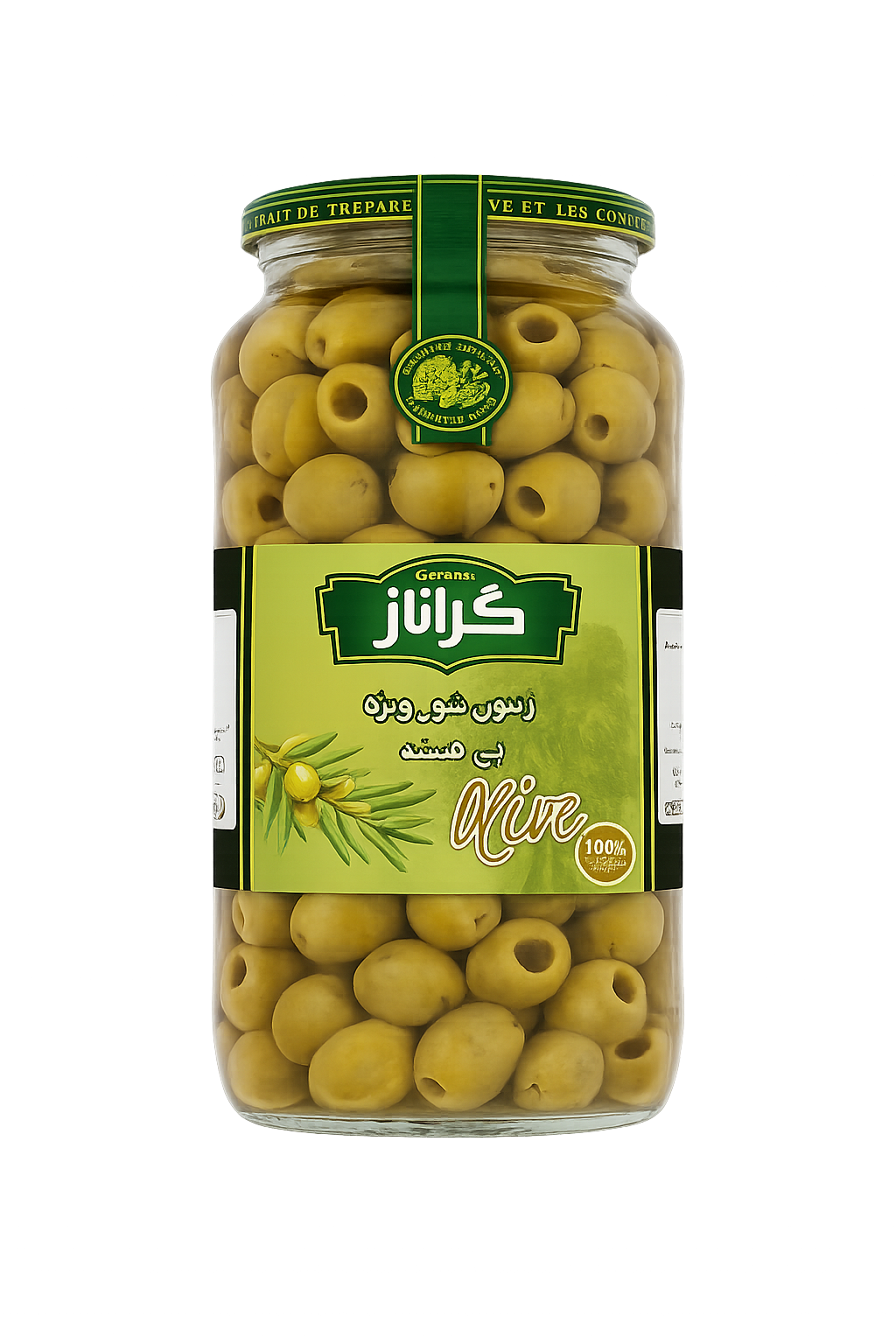
Geranaz Pitted Pickled Olives: A Convenient and Flavorful Table Olive for Modern Meals
Olives are among the most recognized Mediterranean foods, valued for their distinctive flavor, firm texture, and versatility in everyday cooking. From traditional appetizers and salads to sandwiches, pizzas, cold dishes, and prepared meals, table olives have become an important ingredient in many cuisines around the world.
Geranaz Pitted Pickled Olives offer a convenient way to enjoy the characteristic taste of table olives without the inconvenience of removing the pit before serving or cooking. Their practical format makes them suitable for households, restaurants, catering businesses, food-service operations, retailers, wholesalers, and international food distributors.
Pitted olives can be used directly in a wide range of recipes, making them particularly valuable for consumers and professional kitchens that prioritize convenience without giving up the familiar character of traditional table olives.
What Are Pitted Pickled Olives?
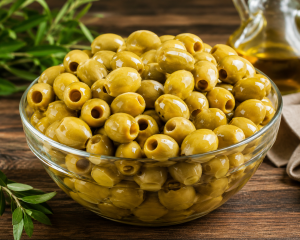
Pitted pickled olives are table olives that have undergone a controlled processing and preservation process and have had their pits removed.
Table olives are not normally consumed directly from freshly harvested fruit because raw olives contain naturally occurring bitter compounds, particularly oleuropein. Processing methods such as brining, fermentation, debittering, or combinations of these techniques are used to make olives suitable for consumption.
After processing, olives may be packed in suitable containers together with a covering medium such as brine. International standards recognize several categories and processing styles for table olives, including treated olives, natural olives, dehydrated olives, and olives darkened by oxidation.
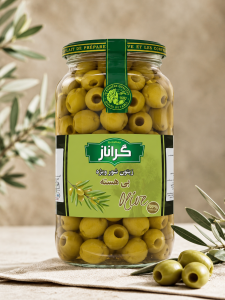
Geranaz Pitted Pickled Olives
Geranaz Pitted Pickled Olives are designed for consumers who want the distinctive taste and texture of table olives in a convenient, ready-to-use format.
Removing the pit provides an important practical advantage. Consumers can add the olives directly to dishes without additional preparation, while restaurants and food-service businesses can save preparation time when using olives as an ingredient.
The product can be incorporated into hot and cold recipes, served as an appetizer, or used as an ingredient in salads, sandwiches, pizzas, pasta dishes, and other preparations.
Why Choose Pitted Olives?
The popularity of pitted olives is closely related to convenience.
A whole olive requires the pit to be removed before certain culinary applications. Pitted olives eliminate this additional step, making them easier to portion, chop, mix, and serve.
Convenient for Everyday Cooking
Pitted olives can be used directly from the package according to the product’s serving and preparation instructions.
They are particularly convenient for quick meals, salads, sandwiches, appetizers, and homemade recipes.
Practical for Professional Kitchens
For restaurants, catering companies, hotels, cafés, and commercial kitchens, preparation time is an important consideration.
Using pitted olives can simplify food preparation because the removal of pits is already completed before the product reaches the kitchen.
Versatile Culinary Ingredient
Pitted olives can be incorporated into a wide variety of recipes and can be served whole, sliced, chopped, or combined with other ingredients.
How Pickled Olives Are Processed
The processing of table olives is a carefully controlled food-production process.
Depending on the type of olive and processing style, olives may undergo debittering, washing, fermentation, brining, acidification, pasteurization, or other preservation steps.
The International Olive Council explains that table olives can undergo fermentation and then be sorted and packed in containers such as glass jars, tins, or other suitable packaging.
In fermented green olive processing, lactic acid bacteria can play an important role in the development of acidity and characteristic sensory properties. Processing methods vary according to olive variety, regional traditions, and the desired commercial style.
Debittering
Fresh olives naturally contain bitter compounds, particularly oleuropein. Depending on the processing method, bitterness can be reduced through alkaline treatment or through natural fermentation and brining.
The chosen technique influences the final flavor, texture, color, and characteristics of the finished table olive.
Brining
Brining is one of the most important preservation techniques used for table olives.
A brine is generally prepared using food-grade salt dissolved in potable water, with other permitted ingredients potentially added according to the product type and applicable food standards.
Salt concentration and acidity are important technological factors because they influence microbial stability, fermentation, flavor, and the final quality of the olives.
Fermentation
Some table olive varieties undergo fermentation in brine. During fermentation, microorganisms naturally associated with the olives can contribute to the development of acidity and characteristic sensory properties.
Lactic acid bacteria are particularly important in many green olive fermentation processes.
The precise processing conditions depend on the olive variety, processing method, target product characteristics, and manufacturer’s production system.
The Importance of Olive Texture
Texture is one of the most important sensory characteristics of table olives.
A high-quality table olive should have an appropriate firmness and mouthfeel that correspond to its commercial style.
The Codex Standard for Table Olives identifies normal color, flavor, odor, and texture as important quality characteristics and specifies that olives and their covering medium should be free from microbiological deterioration and abnormal sensory characteristics caused by improper fermentation.
For pitted olives, maintaining suitable texture is especially important because the fruit undergoes an additional mechanical operation during pit removal.
Flavor Profile of Pickled Olives
Pickled olives are valued for their characteristic combination of savory, salty, mildly acidic, and naturally fruity flavors.
The final flavor depends on several factors, including:
- Olive variety
- Degree of ripeness
- Processing method
- Fermentation conditions
- Brine composition
- Acidity
- Storage conditions
- Additional ingredients or seasonings
These variables allow table olives to be produced in different styles for different markets and culinary preferences.
Geranaz Pitted Olives in Everyday Meals
One of the strongest advantages of pitted olives is their ability to complement many types of food.
Olives in Salads
Pitted olives are an excellent ingredient for a variety of salads.
They can be combined with tomatoes, cucumbers, onions, leafy vegetables, cheese, grains, pasta, or other ingredients to create flavorful cold dishes.
Olives on Pizza
Pitted olives are widely used as a pizza topping.
Because the pits have already been removed, the olives can be sliced or placed directly onto pizza without additional preparation.
Olives in Pasta Dishes
Pitted olives can add a distinctive savory element to pasta recipes. They can be combined with tomato-based sauces, vegetables, herbs, seafood, or other ingredients depending on the recipe.
Olives in Sandwiches and Wraps
Sliced or chopped pitted olives can be incorporated into sandwiches, wraps, burgers, and cold rolls.
Their salty and savory character can complement vegetables, cheese, chicken, tuna, and other sandwich fillings.
Olives as an Appetizer
Pitted olives can also be served directly as part of an appetizer platter.
They can be combined with cheese, vegetables, bread, herbs, and other Mediterranean-style foods.
Pitted Pickled Olives for Food-Service Applications
Restaurants and professional kitchens often require ingredients that are easy to handle and consistent in preparation.
Pitted olives can help reduce preparation steps while providing a versatile ingredient for menus.
They can be used in:
- Restaurants
- Hotels
- Catering businesses
- Cafés
- Fast-food operations
- Commercial kitchens
- Prepared-food production
- Food-service companies
For professional buyers, packaging format, product consistency, storage conditions, supply reliability, and destination-market requirements may all be important factors when selecting table olives.
Pitted Olives for Retail Markets
Pitted olives are also well suited to modern retail because convenience is an increasingly important consideration for consumers.
A ready-to-use olive product can appeal to customers who want to prepare meals quickly while still incorporating traditional ingredients into their diet.
For supermarkets, grocery stores, wholesalers, and food distributors, pitted olives can complement other categories such as canned vegetables, pickles, sauces, condiments, and Mediterranean foods.
Geranaz Pitted Pickled Olives for Export
Table olives are an internationally traded food category, and standardized quality requirements play an important role in international commerce.
The Codex Alimentarius Standard for Table Olives provides internationally recognized provisions covering different olive preparations and quality factors. The International Olive Council also identifies table olives as an established category with multiple commercial preparation styles.
For exporters and importers, important commercial considerations can include:
- Olive variety and style
- Product grade and size
- Pitted or whole format
- Packaging type
- Net and drained weight
- Brine specifications
- Ingredient declaration
- Nutrition information
- Shelf-life specifications
- Storage requirements
- Labeling requirements
- Carton configuration
- Palletization
- Destination-country regulations
Exact specifications should always be confirmed with the manufacturer and according to the requirements of the destination market.
Packaging and Storage of Pickled Olives
Packaging is an important part of the preservation and distribution of table olives.
Depending on the product format, table olives may be packed in glass jars, cans, plastic containers, or other food-grade packaging systems appropriate for the product. The International Olive Council identifies several packaging formats used for table olives.
Consumers should always follow the storage instructions printed on the Geranaz product label.
After opening, appropriate refrigeration and hygienic handling should be followed when specified by the manufacturer.
For commercial distribution, storage and transportation conditions should also comply with the product’s technical specifications.
Quality Factors in Pitted Pickled Olives
When evaluating pitted pickled olives, several characteristics are important.
Appearance
The olives should have a characteristic appearance and color appropriate to the product style.
Texture
The fruit should maintain an appropriate firmness and structure.
Flavor and Aroma
A clean, characteristic olive flavor and aroma are important indicators of sensory quality.
Brine Quality
The covering liquid should be suitable for the product and free from abnormal odors, flavors, or visible foreign matter.
Pit Removal
For a pitted olive product, effective pit removal is an important quality consideration.
International standards also define tolerances for pits and pit fragments in pitted olive categories, demonstrating the importance of this aspect of commercial quality.
A Practical Ingredient for Modern Food Production
The food industry increasingly values ingredients that can combine traditional culinary appeal with operational convenience.
Pitted pickled olives fit this requirement particularly well. They preserve the recognizable identity of table olives while eliminating one of the preparation steps that can slow down food production.
This makes them useful not only for home cooking but also for restaurants, catering operations, food manufacturers, and commercial kitchens.
Geranaz Food Industries
Geranaz Food Industries operates in the processed food sector and offers a diverse portfolio of food products for domestic and international markets.
Its product range includes processed foods, canned products, sauces, condiments, tomato products, jams, compotes, and other food categories.
With an export-oriented approach, Geranaz develops food products for different market requirements while focusing on packaging, product presentation, quality, and international distribution opportunities.
Frequently Asked Questions About Geranaz Pitted Pickled Olives
What are Geranaz Pitted Pickled Olives?
Geranaz Pitted Pickled Olives are table olives that are processed and packed as a convenient, ready-to-use product with the pits removed.
What does “pitted olives” mean?
“Pitted olives” are olives from which the hard central stone, or pit, has been removed. This makes them easier to serve, slice, chop, and incorporate into recipes.
How can pitted pickled olives be used?
They can be served as appetizers or used in salads, pizzas, sandwiches, pasta dishes, wraps, prepared meals, and many other recipes.
Why are pitted olives convenient?
Because the pit has already been removed, consumers and professional kitchens can use the olives directly without performing an additional preparation step.
How are table olives made ready for consumption?
Depending on the commercial style, olives may undergo debittering, washing, fermentation, brining, acidification, pasteurization, or other processing treatments before packaging. The exact process varies according to the olive type and manufacturer’s formulation.
Are pitted olives suitable for restaurants?
Yes. Their ready-to-use format makes them practical for restaurants, catering companies, hotels, cafés, and other food-service operations.
Can Geranaz Pitted Pickled Olives be exported?
Geranaz Food Industries offers processed food products for international markets. Export specifications, packaging, labeling, and commercial conditions should be confirmed according to the destination country and buyer requirements.
Conclusion
Geranaz Pitted Pickled Olives combine the distinctive character of table olives with the convenience of a ready-to-use, pit-free format.
Their versatility allows them to be incorporated into salads, pizzas, sandwiches, pasta dishes, appetizers, wraps, and many other culinary preparations. For professional kitchens, removing the pit before the product reaches the food-service operation can also simplify preparation and improve convenience.
For retailers, wholesalers, restaurants, food-service businesses, importers, and international distributors, pitted pickled olives represent a versatile processed-food category with broad culinary applications.
By combining traditional olive processing principles with convenient presentation, Geranaz Pitted Pickled Olives can serve modern consumers and professional food businesses looking for a practical and flavorful table olive product.